The situation
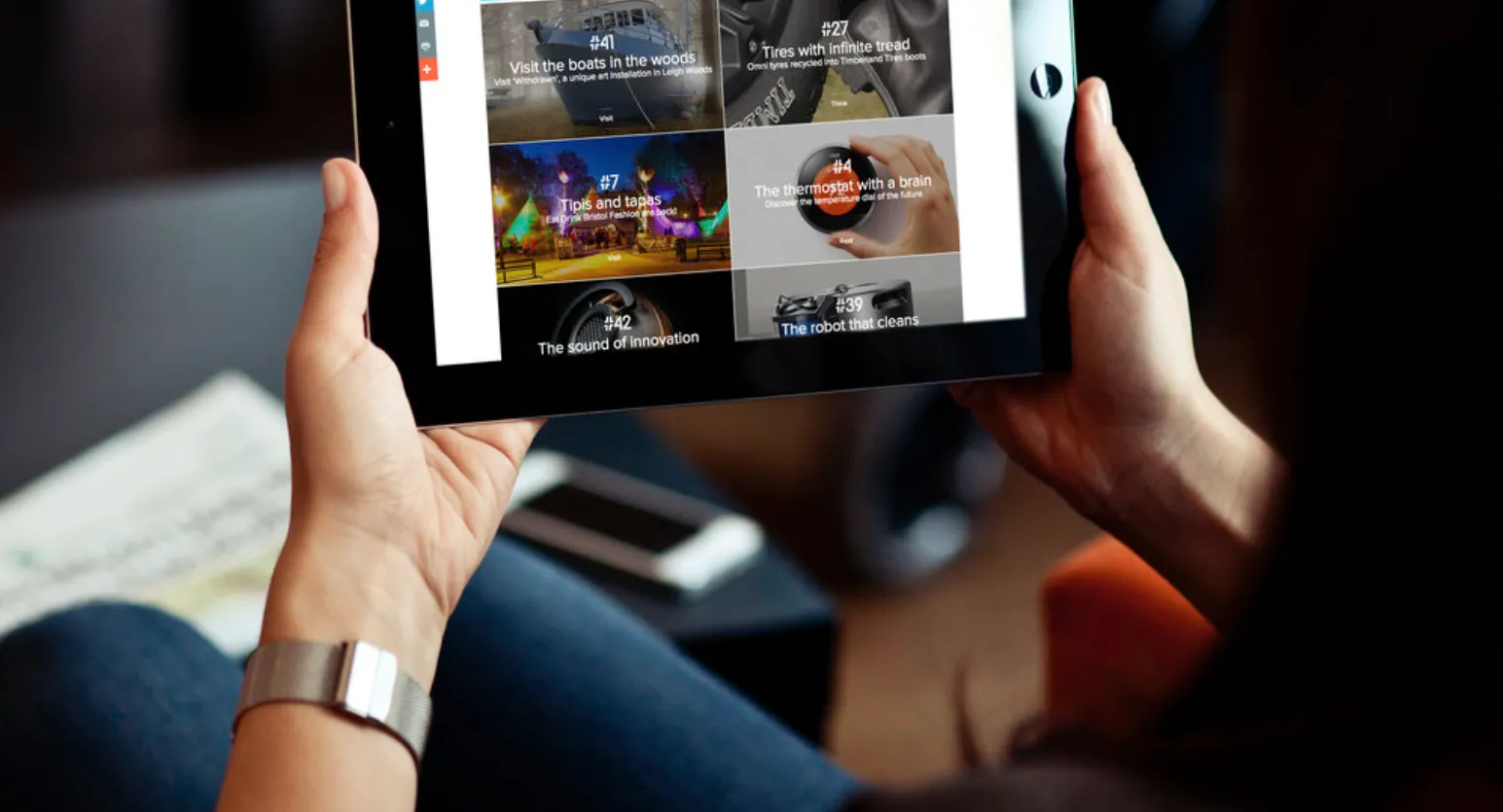
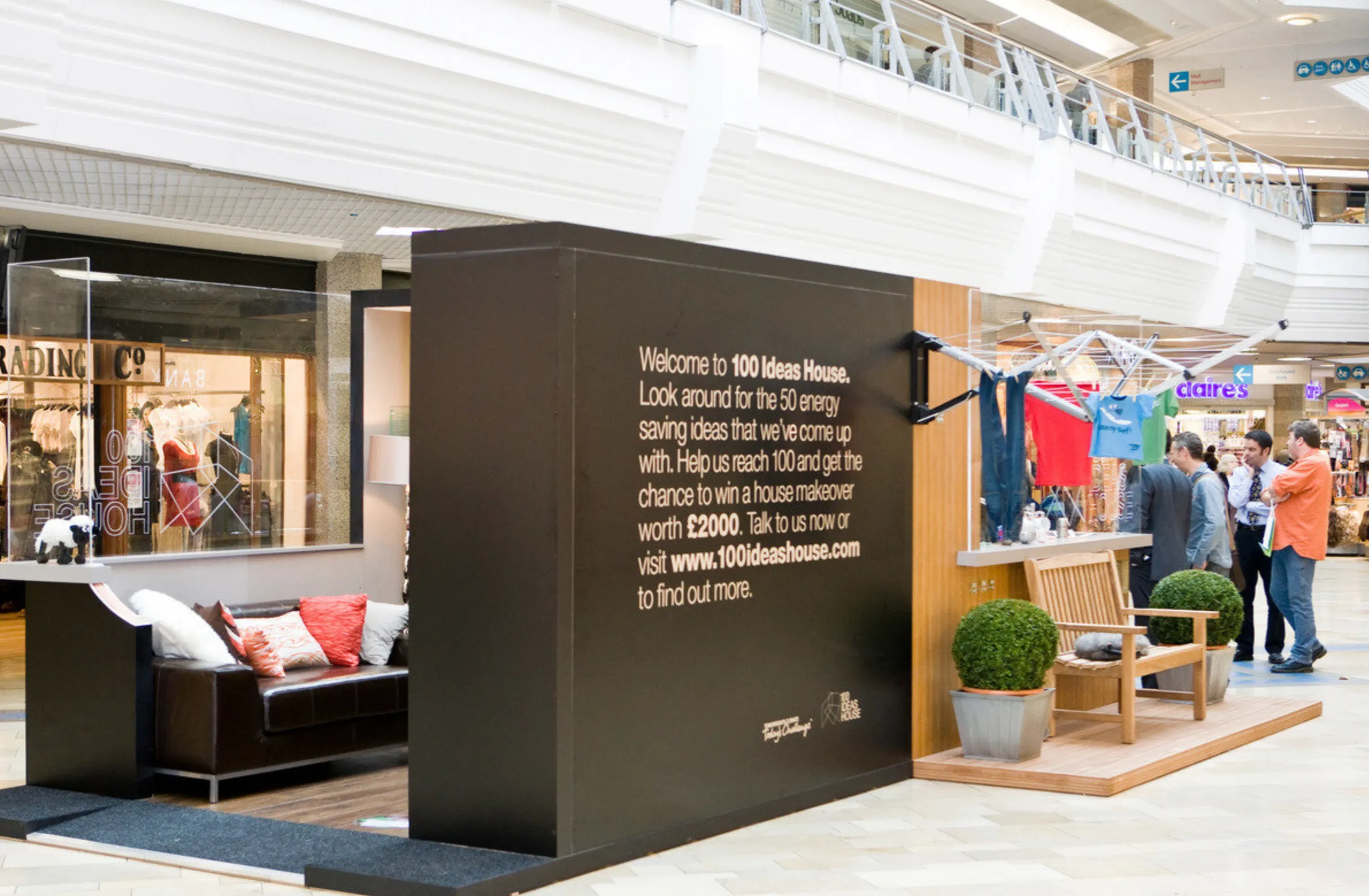
The Department of Energy and Climate Change and the Centre for Sustainable Energy commissioned us to tackle the challenge of low adoption of sustainable living. We created 100 Ideas House — an initiative to focus the transition of sustainability language from ‘blame and guilt’ to ‘cool and smart.’ It was CSE’s first experience of public engagement, and it worked.
The project won the World Sustainable Energy Award for Best Marketing for Sustainable Energy.
We’d discovered something powerful: the assemblage model. Bringing together multiple brands around a shared purpose. Letting audiences discover solutions in one curated space rather than being sold to individually. Creating engagement through discovery, not advertising. But it was government-funded. We believed this approach was the future — for brands in transition, for audiences seeking meaningful solutions, for how agencies should work. Most agencies would have pitched the concept and hoped someone would buy it. We decided to prove it ourselves.
The Superhelpful moment
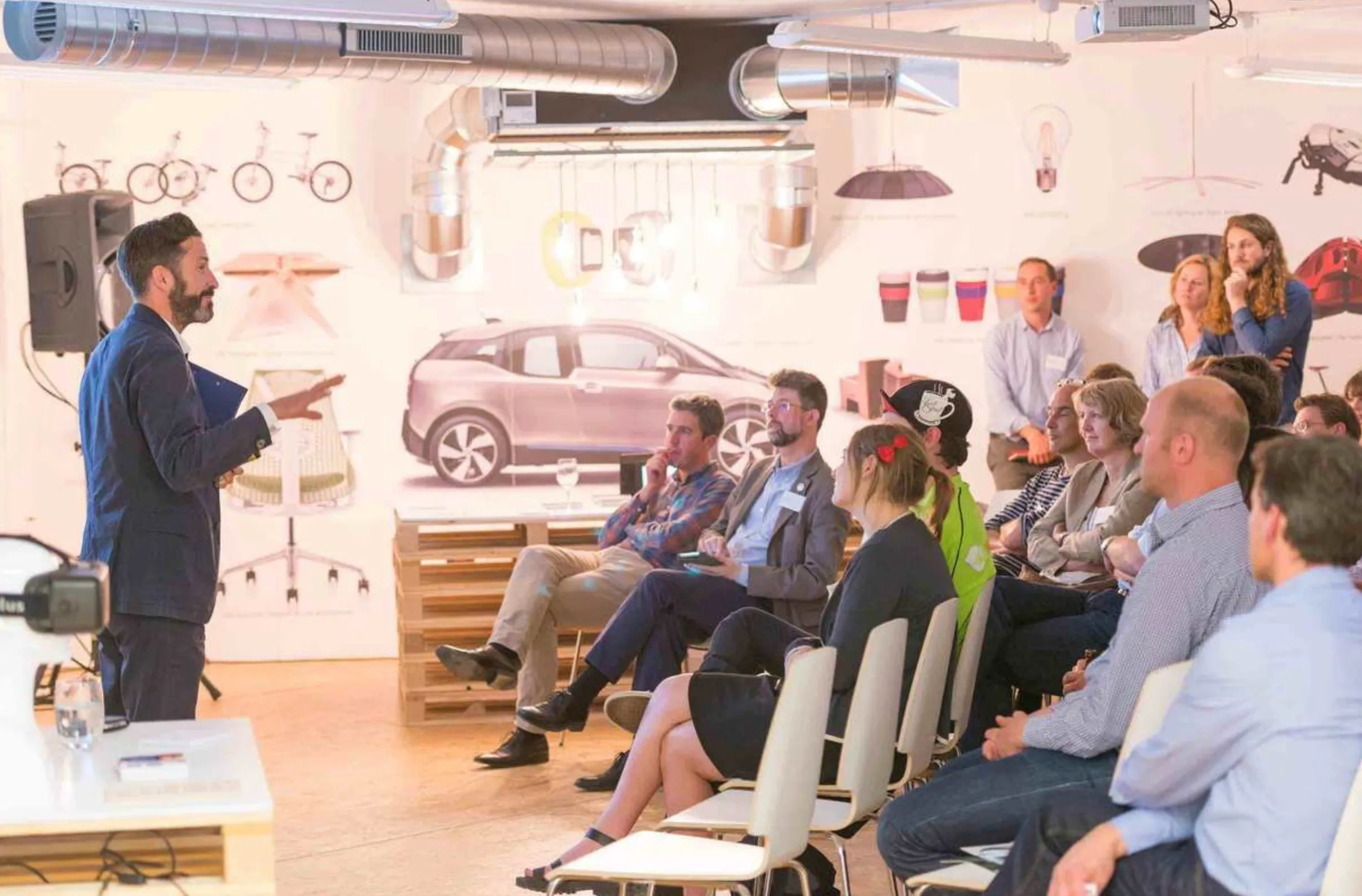
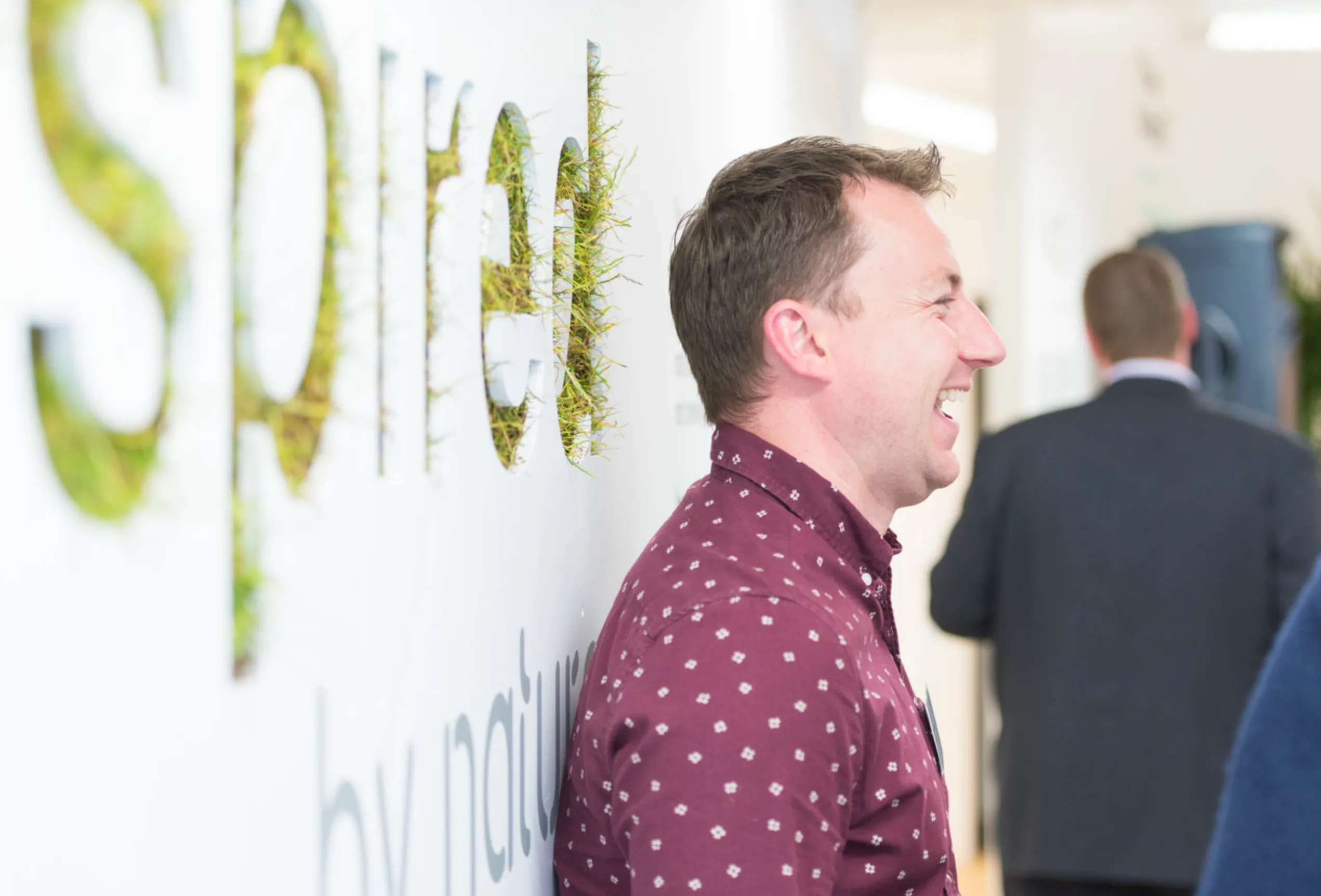
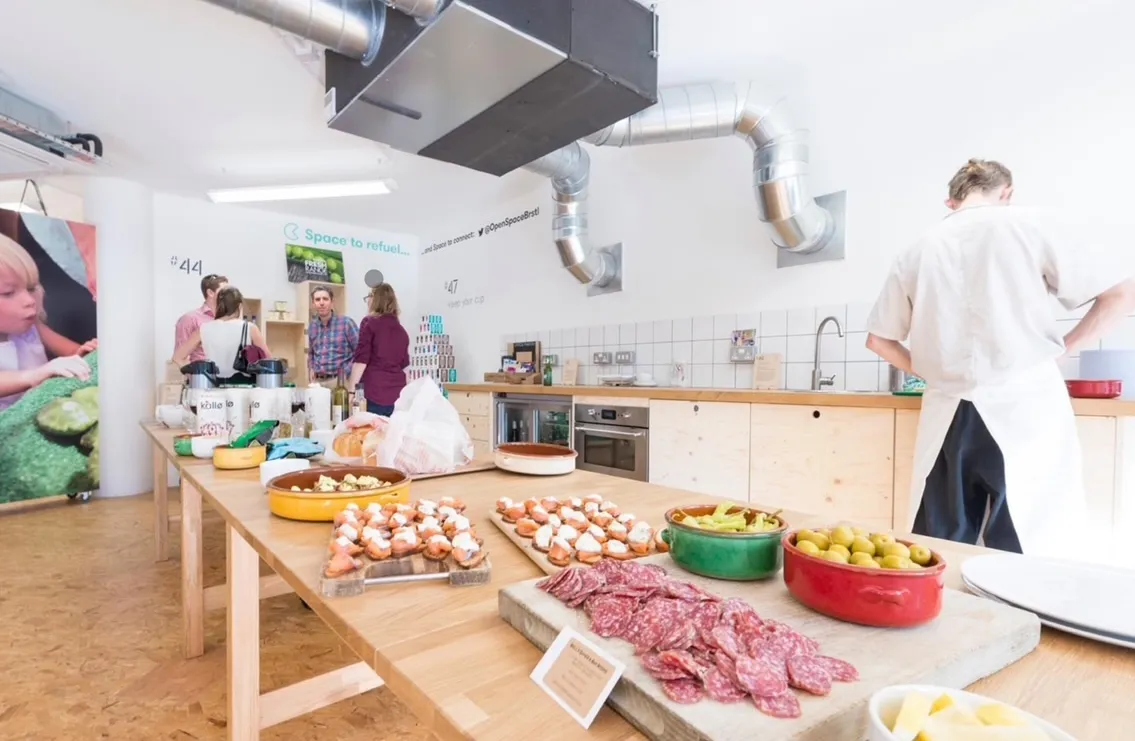
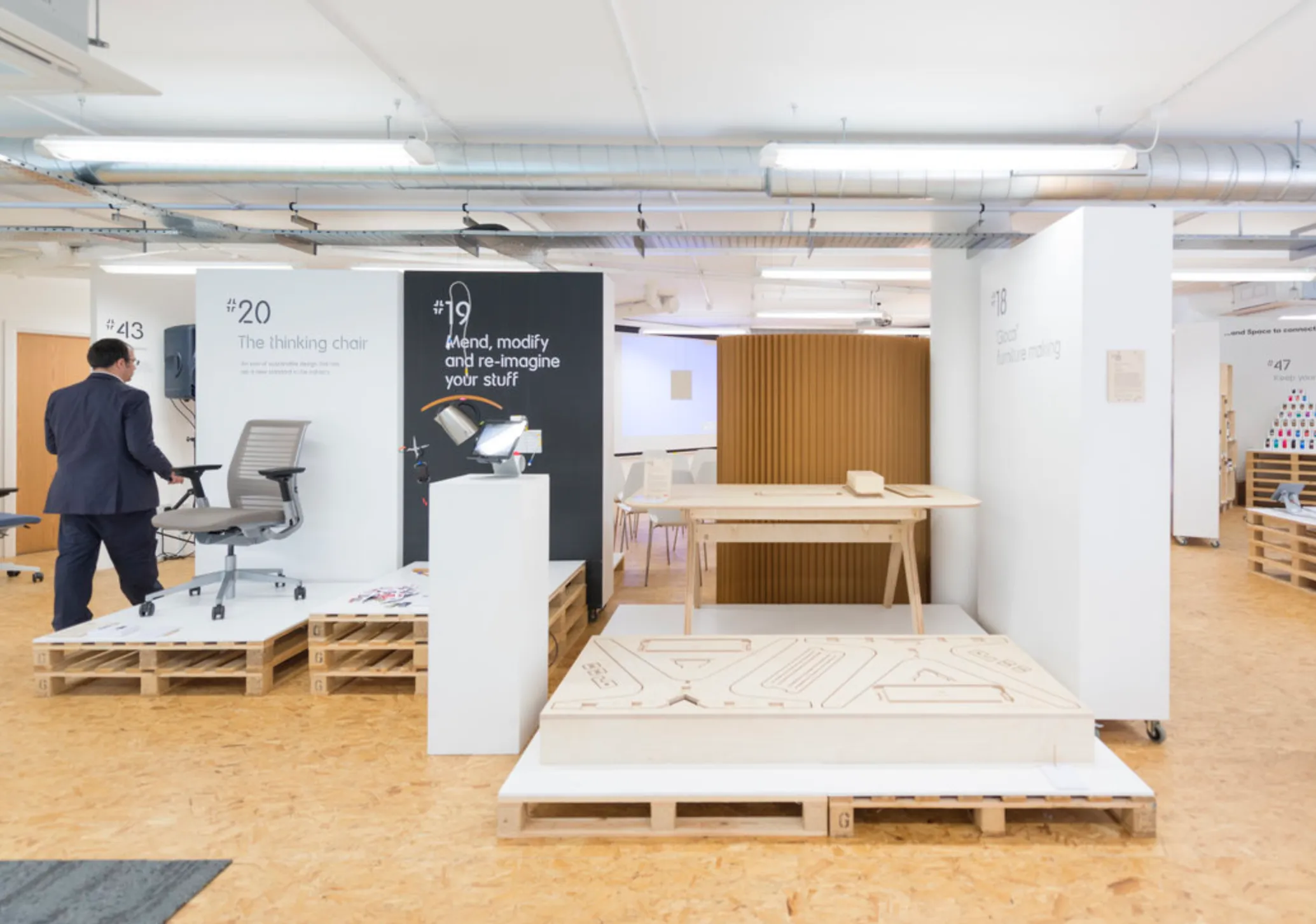
We self-funded 100 Ideas Office. Designed the event, curated the brands, built the content, and developed OpenSpace — our own venue specifically created to encourage engagement between government, brands, and communities.
We invested our own resources to prove assemblage could bring together brands who’d never normally collaborate, and audiences who needed curated discovery, not marketing noise.
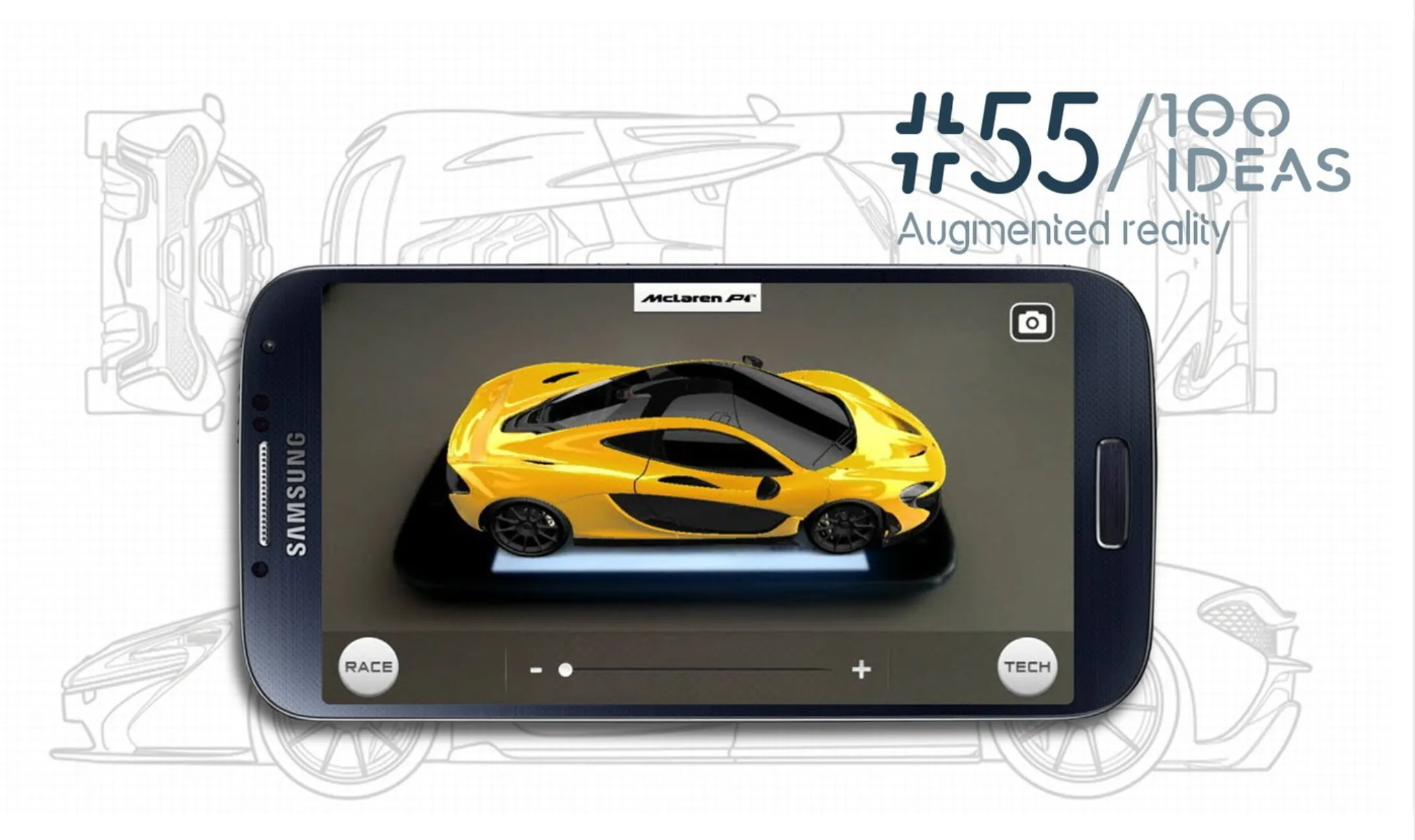
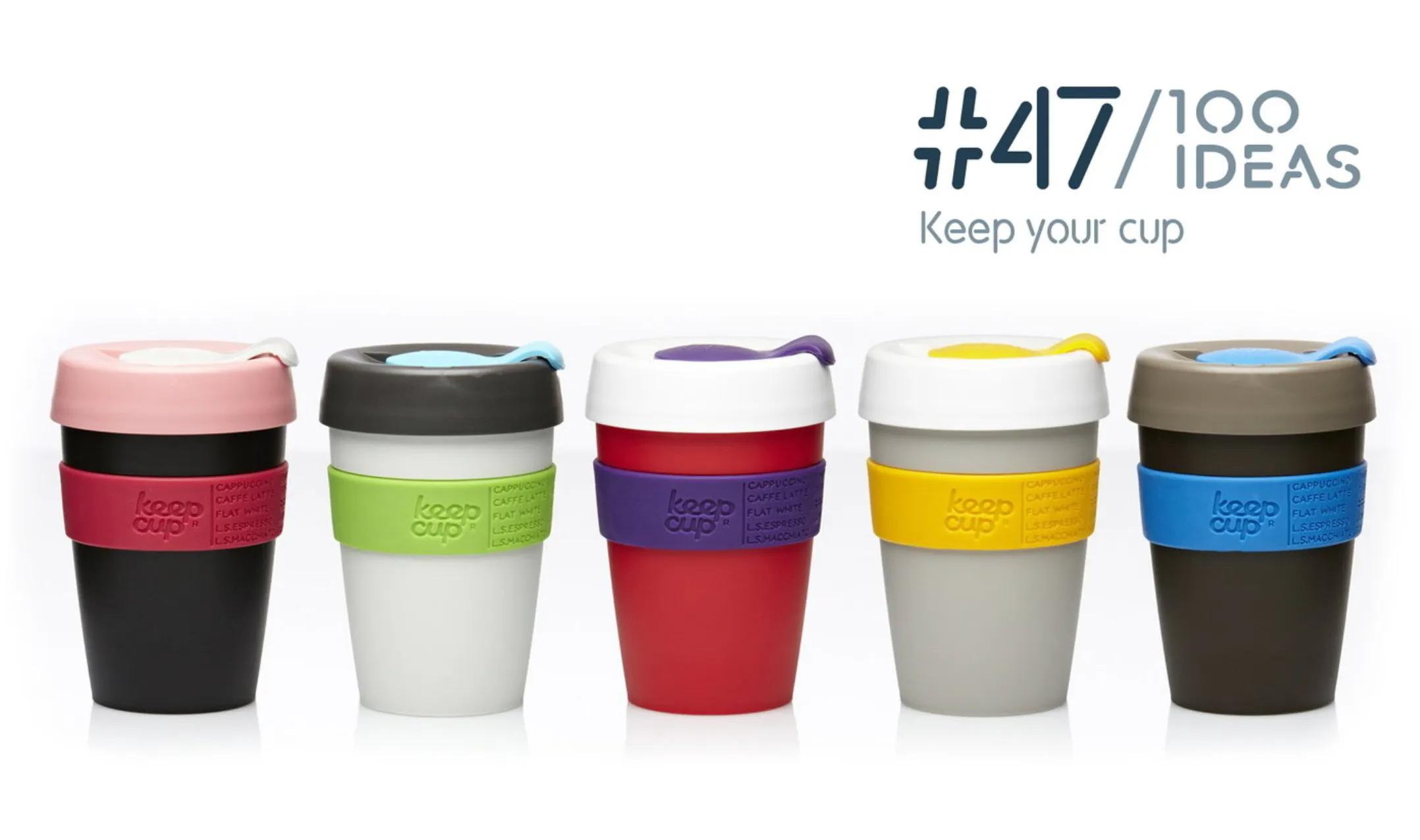
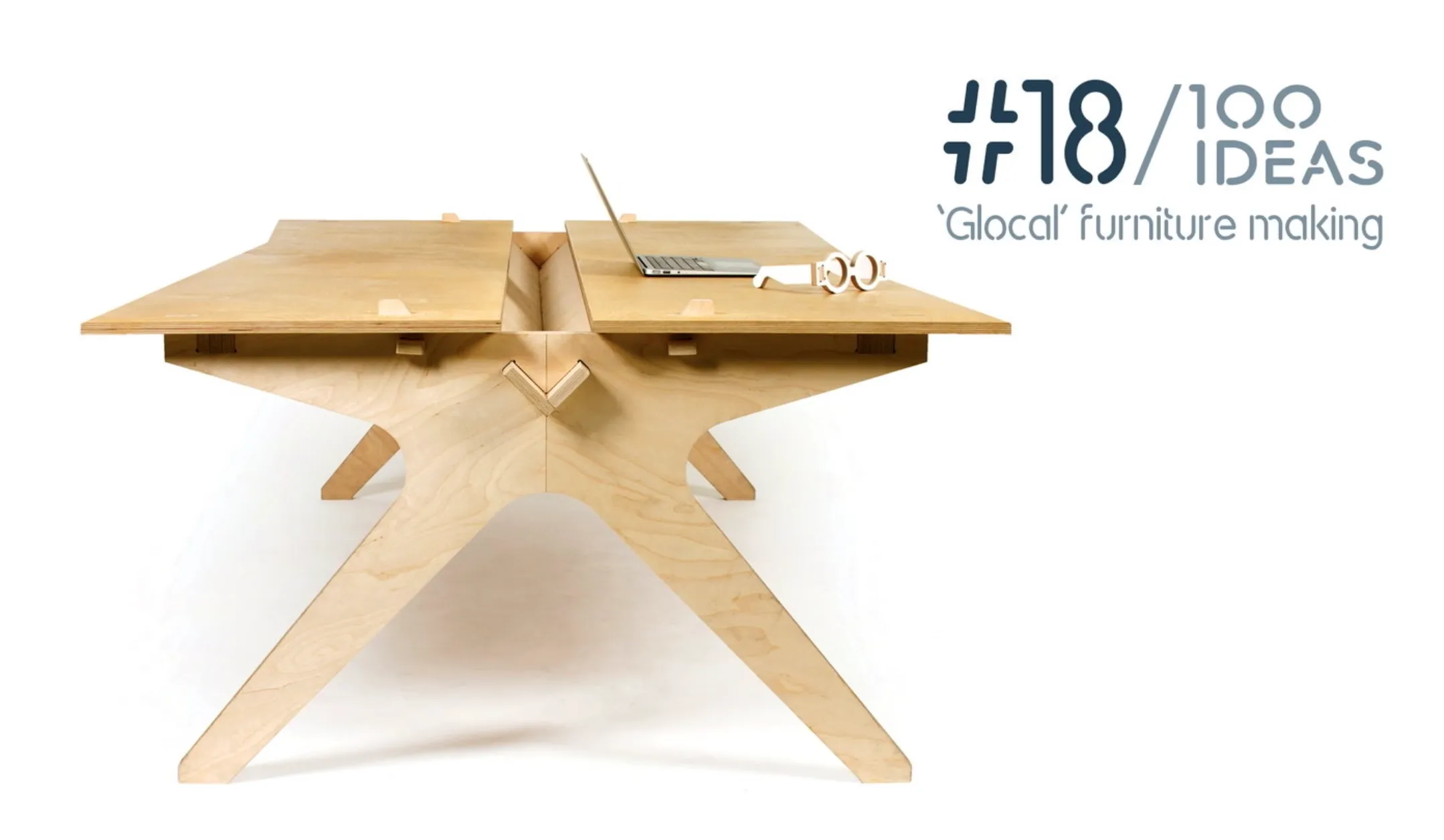
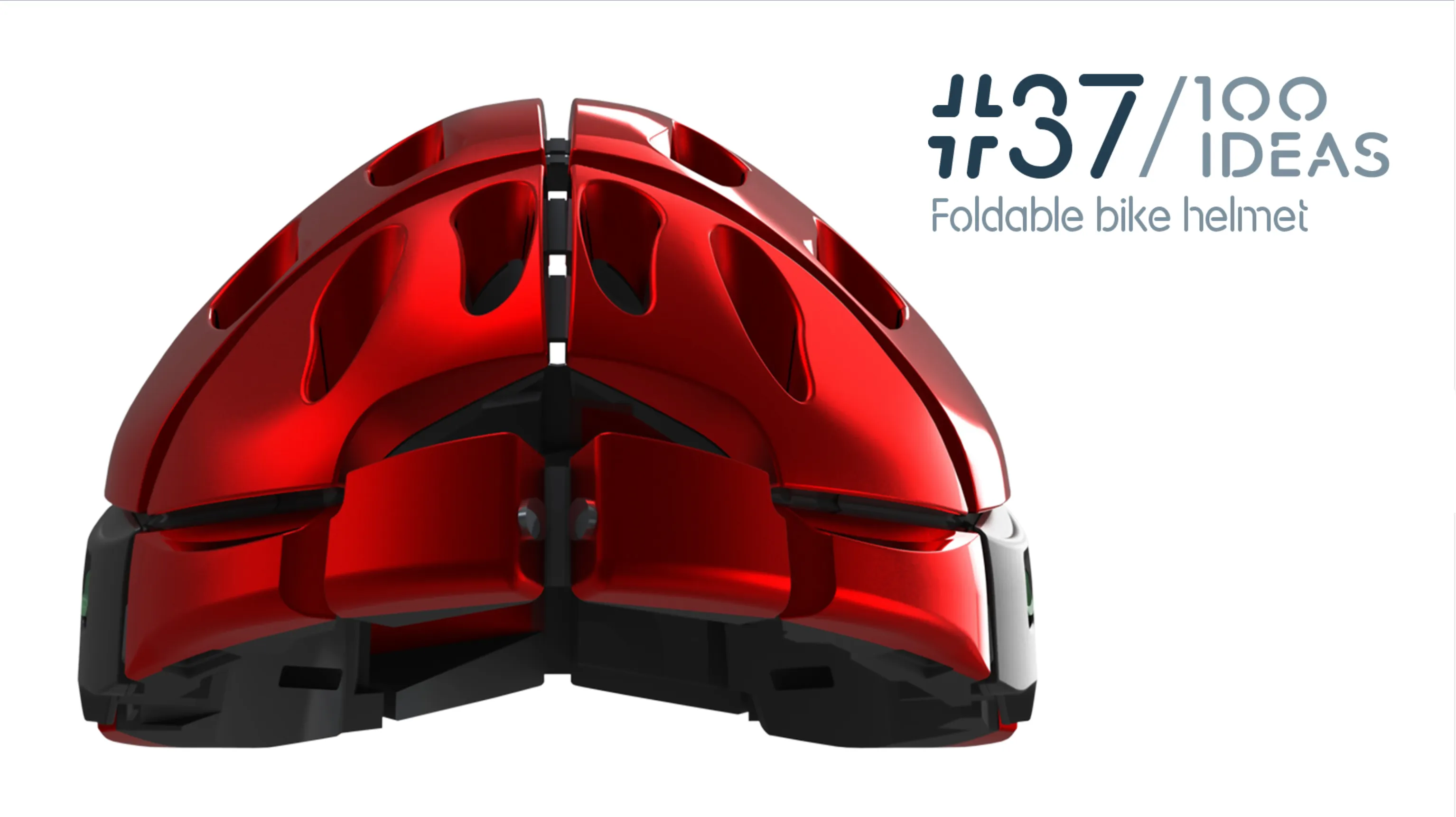
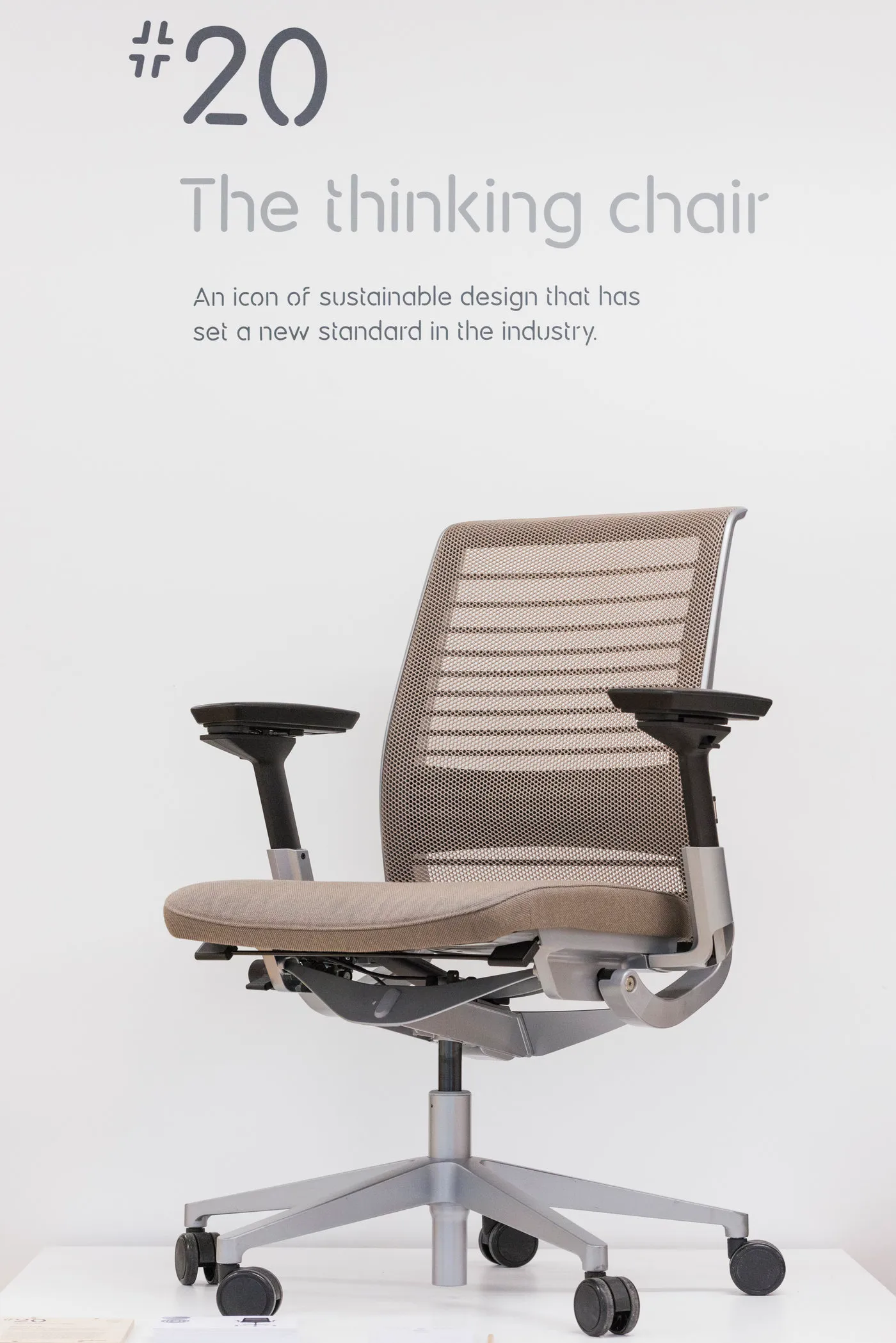
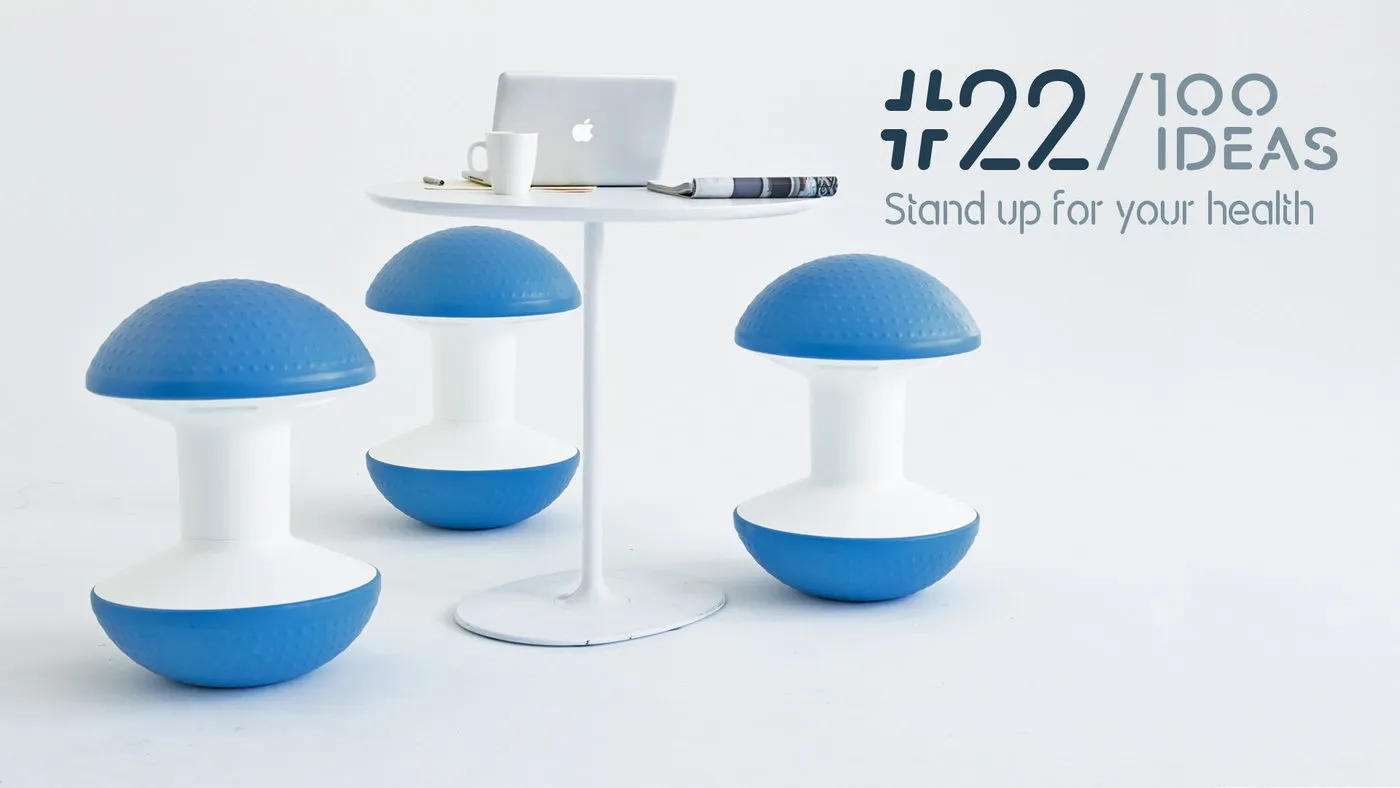
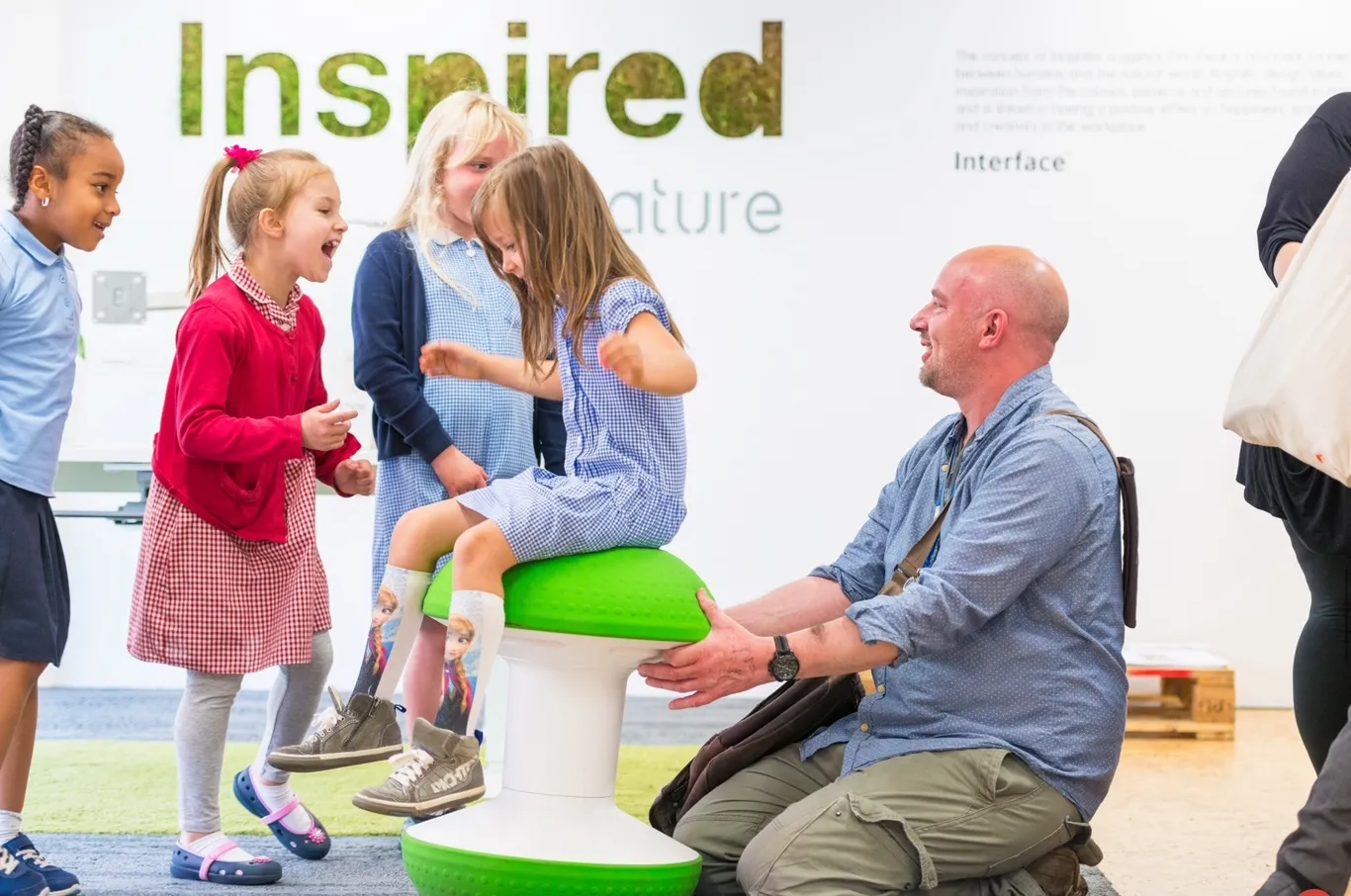
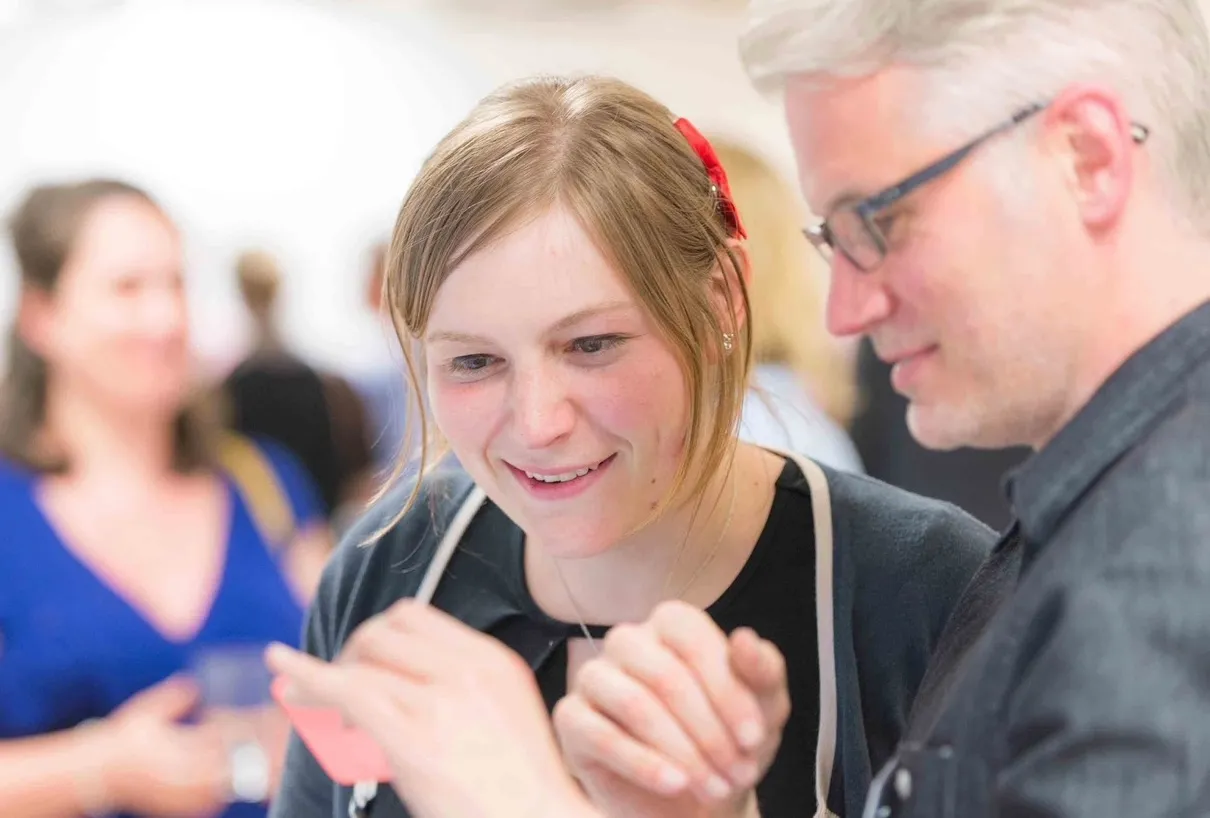
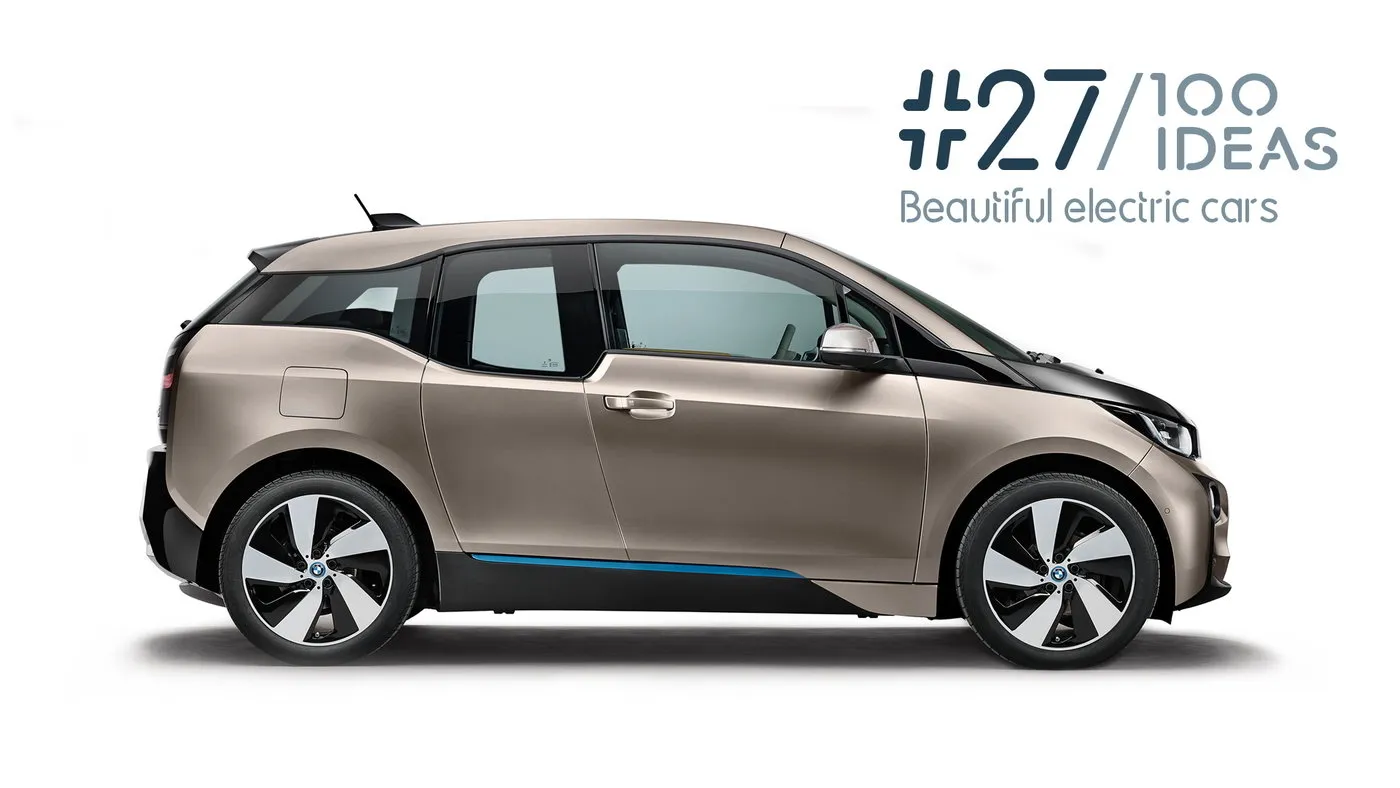
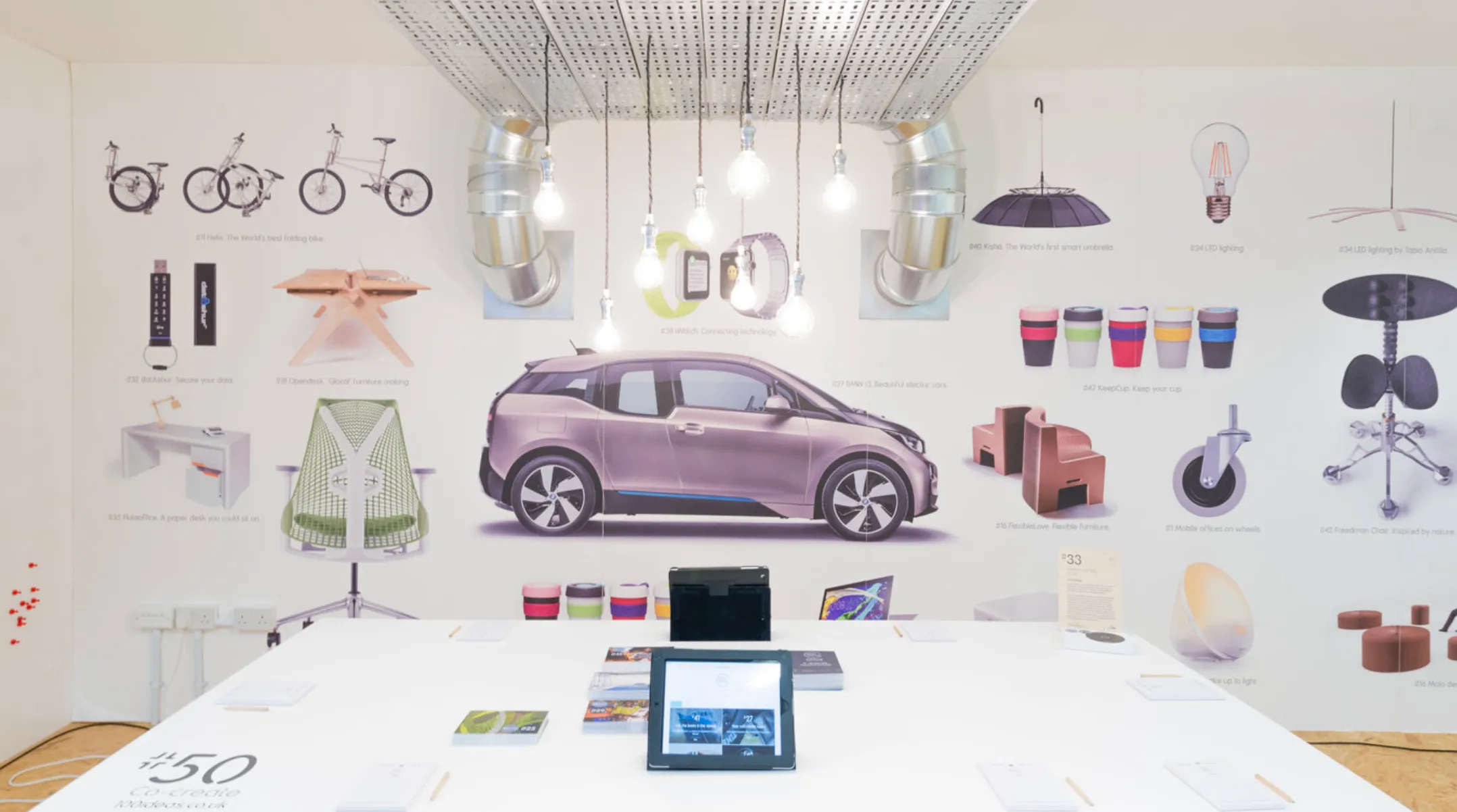
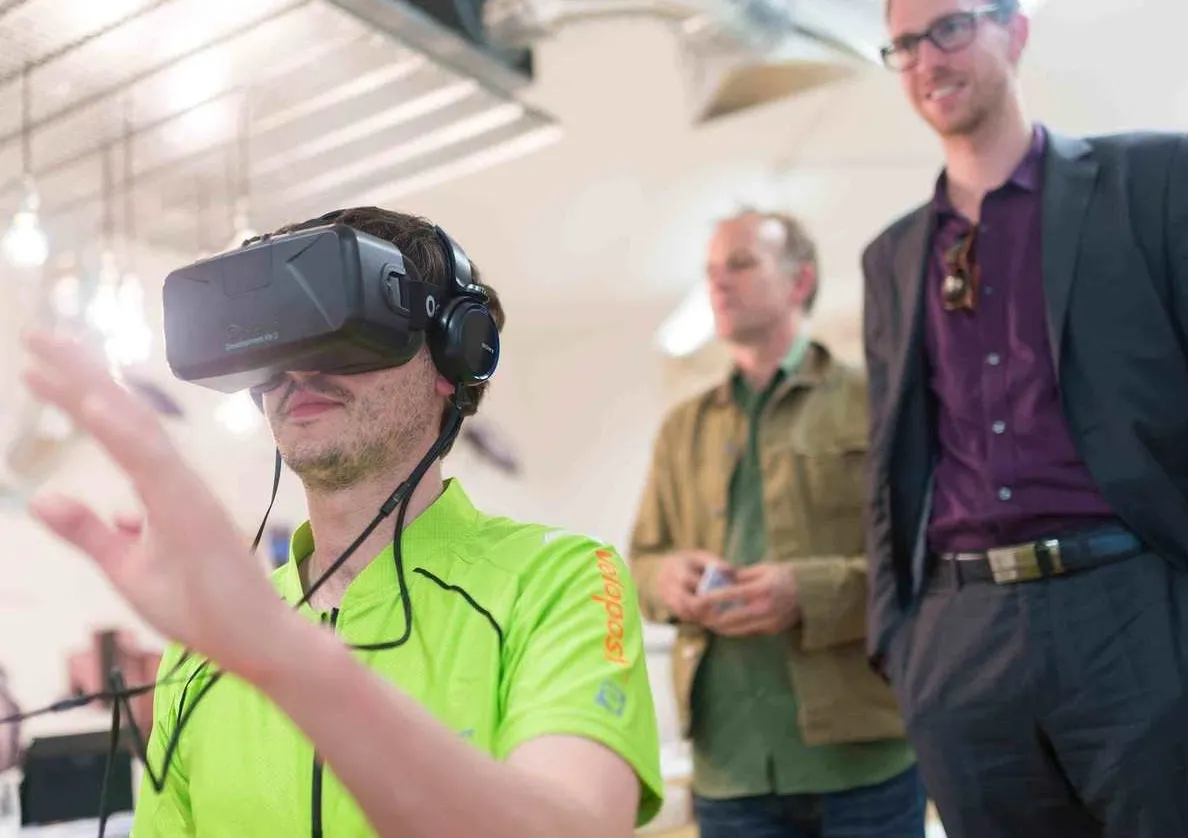
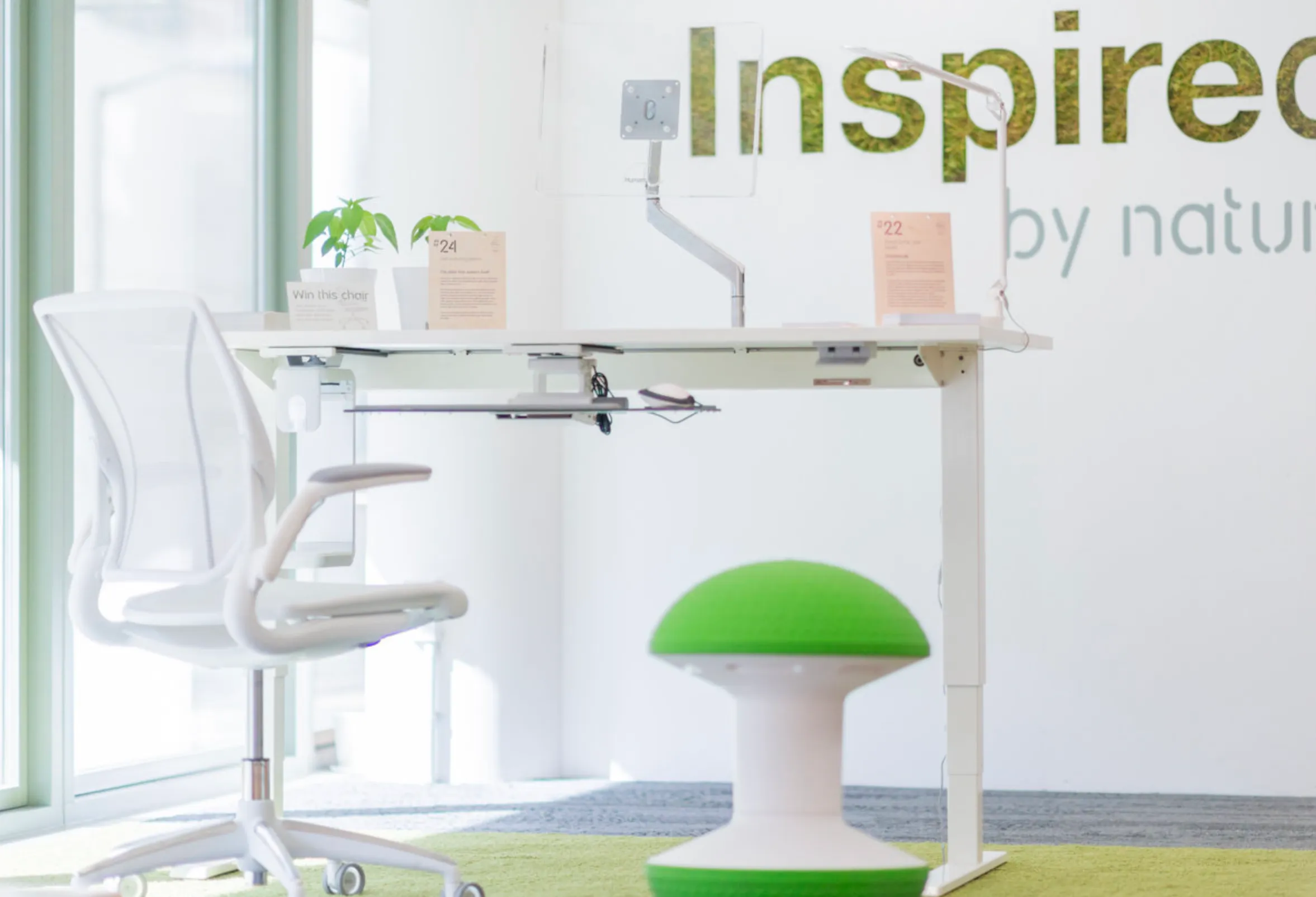
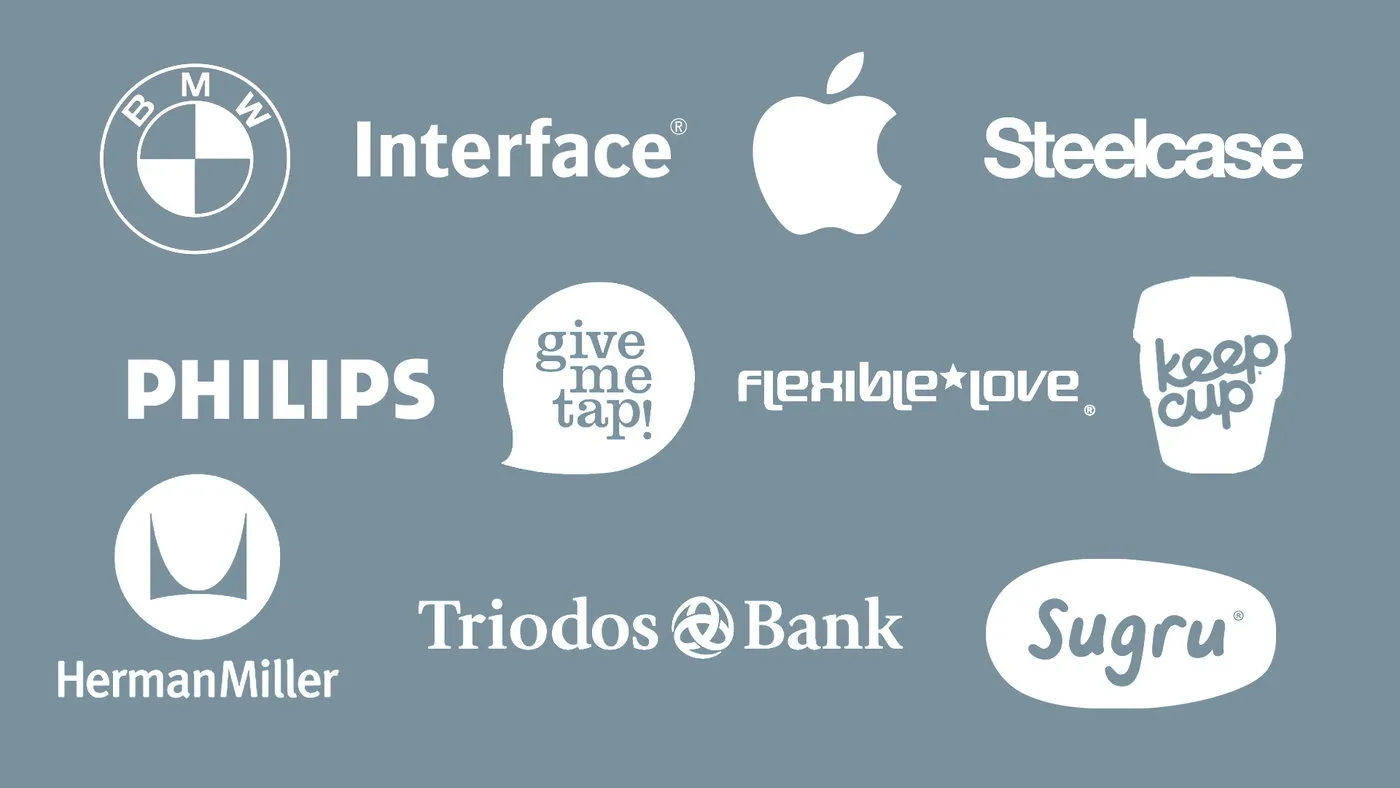
Over 40 brands participated, including BMW, Interface, Steelcase, Philips, Herman Miller, and Triodos Bank. We showcased smart and cool ideas for healthier, easier workplaces. We welcomed employers and employees across the UK to explore ideas that could improve life both in and out of the office.
We didn’t wait for permission. We built what we believed in.
The work and evolution
100 Ideas Office became proof of concept. The assemblage model worked: brands wanted to be part of curated discovery, audiences engaged deeply, and we demonstrated a different way of working—one focused on bringing ideas together rather than pushing individual messages. The approach led to innovation partnerships with brands who saw how we thought. OpenSpace became our platform for creating meaningful engagement. And the model became the blueprint for how we work with brands in transition.
The impact
Over 40 participating brands including BMW, Interface, Steelcase, Philips, Herman Miller, Triodos Bank
OpenSpace developed as our own venue for brand-community-government engagement
Innovation partnerships emerged from brands seeing our approach
Assemblage model validated: proved curation and discovery beats traditional advertising
Blueprint established for how we bring brands together around shared purpose
Foundation laid for future initiatives like Foreverhome.uk
What this reveals about how we work
Most agencies pitch ideas and wait for clients to fund them. We became our own client. We invested in proving what we believed would work — that assemblage, curation, and shared purpose create more value than traditional marketing.
Architects of transition: we helped shift how brands and audiences connect — from being sold to, to discovering together.
That’s what superhelpful looks like to us.
 Prev
Prev Next
Next